How luxury resellers are waging war against counterfeit goods in the digital age
Advert
Obsessions
How luxury resellers are waging war confronting apocryphal goods in the digital historic period
Tried-and-tested methods that apply human expertise are still relied upon, while engineering is now employed in smart means to spot fake goods.
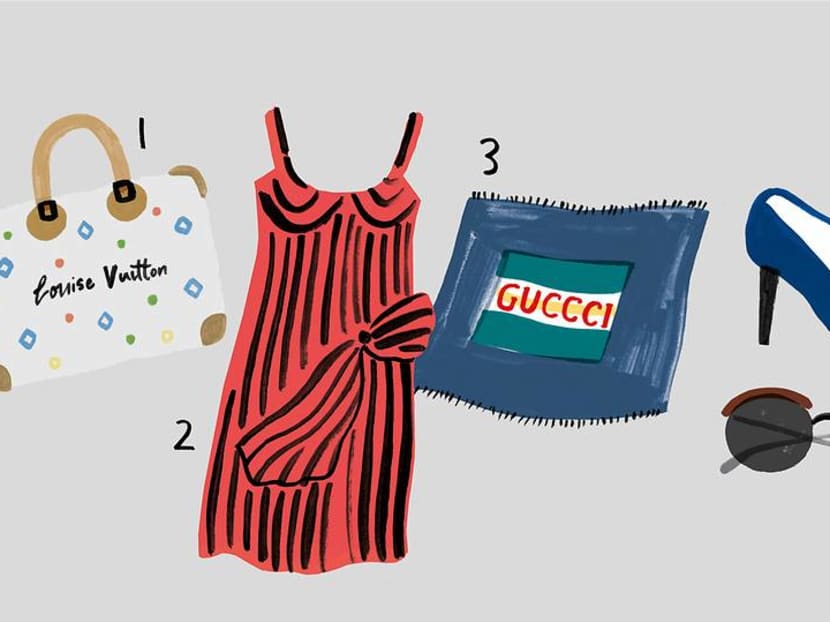
In Singapore, 59 per cent of women surveyed have unknowingly purchased fake goods, while 78 per cent are unable to spot a fake product. (Illustration: Vestaire Collective)
23 Dec 2022 06:30AM (Updated: 21 May 2022 03:27PM)
The second-hand luxury market is booming. Whereas customers once preferred their purchases to be box-fresh, they have now embraced the thought of owning pre-loved items. The figures are encouraging, too: In 2018, the resale market rang upwardly a total of South$8.two billion in sales in the US alone, according to data from Bain & Co. Meanwhile, statistics from Berenberg take projected that this segment of the industry will account for 9 per cent of all luxury transactions past 2020. Sales volition hit close to S$70 billion by 2023, based on numbers published by Forbes.
READ> Second-paw luxury: The shift to vintage and pre-loved is now in full swing
The rise of the second-hand luxury market tin can be largely attributed to the digital revolution that has swept beyond the earth and disrupted traditional business models. In turn, this moving ridge of radical innovation has led to the birth of "re-commerce" websites such as ReBag, The RealReal and ThredUp – platforms that have been calibrated to offer a speedy and fuss-gratis feel for discerning Millennial and Gen-Z shoppers with their clamorous appetite for luxury products.
READ> Could sharing and renting wearing apparel be the new manner norm in Singapore?
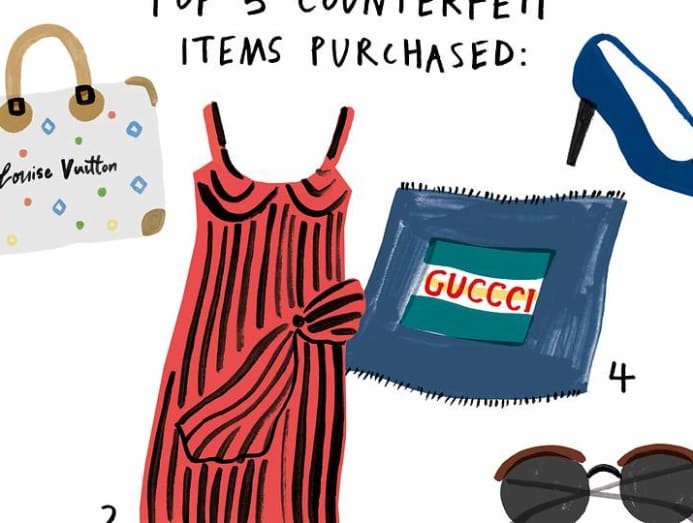
Nevertheless, the emergence of such players in the online sphere has presented a set up of hurdles and challenges. Amongst them: The issue of authenticity. Counterfeit goods have been a sore point for fashion for equally long every bit the industry has existed. Vestiaire Collective, a Paris-based resale website with more than 8 one thousand thousand users in its database, noted in its 2022 findings that "the value of imported goods accounted for over three per cent of global trade, totalling over Southward$683 billion." In Singapore, 59 per cent of women surveyed take unknowingly purchased fake goods, while 78 per cent are unable to spot a fake product.
To that finish, Vestiaire Collective has taken steps to combat the problem. "In 2022 we signed the 'Fight Against Online Counterfeiting Charter' alongside brands such equally LVMH and Christian Louboutin to help ensure a goose egg-tolerance arroyo to counterfeit products," explained co-founder and President, Fanny Moizant, in a statement.
In order to ensure that its members can shop with an ease of heed, Vestiaire Collective has assembled teams of authentication experts based in its Paris, New York and Hong Kong hubs. Led past Victoire Boyer Chammard, Head of Authentication & Quality Control, these specialists are either trained auctioneers from top auction houses, gemologists, or leading professionals armed with valuable brand and product feel.
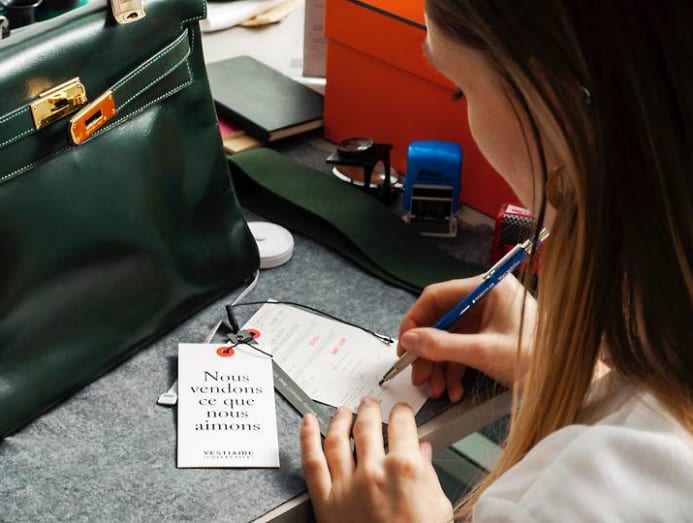
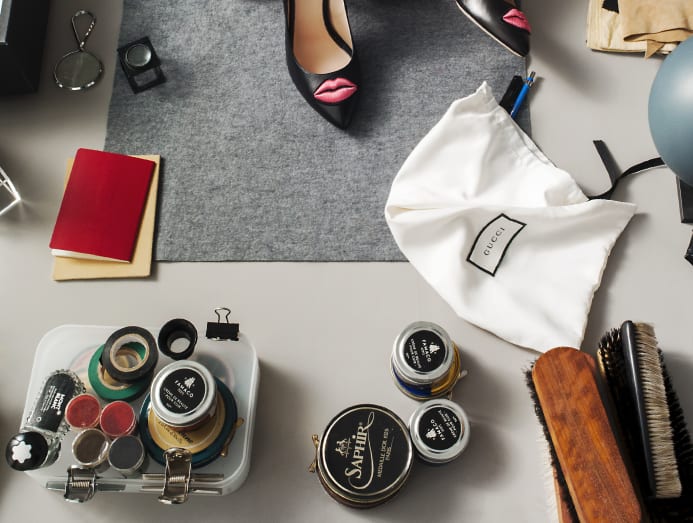
During the authentication process, these experts pore over every little detail to ensure that the legitimacy of the items. The start step to identifying a counterfeit is commonly tactile – fourth dimension is taken to feel the material to ascertain its quality. Logos or any course of typography on the products are then examined because they are obvious tell-tale signs. Uneven or slanted stitching warn of a desperately made detail. Serial numbers help with the identification procedure, too, and Chammard recommends asking for proof of purchase if y'all're ownership an item online.
It'due south a thorough process akin to a detective piecing together clues to solve a mystery, but other resale sites such equally The 5th Collection have begun utilising cut-edge applied science to circumvent authenticity issues altogether. As 1 of Singapore's leading second-hand luxury due east-commerce destination, The Fifth Collection recognised the growing role of engineering science and in 2022 invested funds to develop Entrupy, a cutting-edge system adult by a group of scientists from New York University.
How Entrupy works is simple: Similar a scope, it allows the user to take microscopic pictures of the production. Highly advanced AI and so takes over and compares the shots with millions of others in its database. "The imaging is and then sensitive, information technology tin can fingerprint the item and recognise the next fourth dimension it is scanned," the team at The Fifth Collection explained. With an authentication accuracy of more than 99.1 per cent, counterfeiters, be warned.
Source: https://cnalifestyle.channelnewsasia.com/obsessions/how-luxury-resellers-are-waging-war-against-counterfeit-goods-176996
0 Response to "How luxury resellers are waging war against counterfeit goods in the digital age"
Post a Comment